HU Multi-Cultural Center
Uljin-gun, Korea
- Project Type
- Cultural / complex architecture
- Location
- Uljin-gun, Korea
- Scope
- Survey control, 3D laser scanning, reverse engineering, as-built verification
- Expertise
- 3D laser scanning, survey control, reverse engineering, as-built verification
- Technologies
- Trimble SX12, Trimble X7, GPS, Recap Pro, Rhino, Grasshopper, Advance Steel
- Status
- In Progress
The HU Multi-Cultural Center embodies Metal Morph’s philosophy of connecting digital precision with real-world construction.
The project began with a simple yet critical question:
“Can we verify that the steel structure was installed correctly before moving forward?”
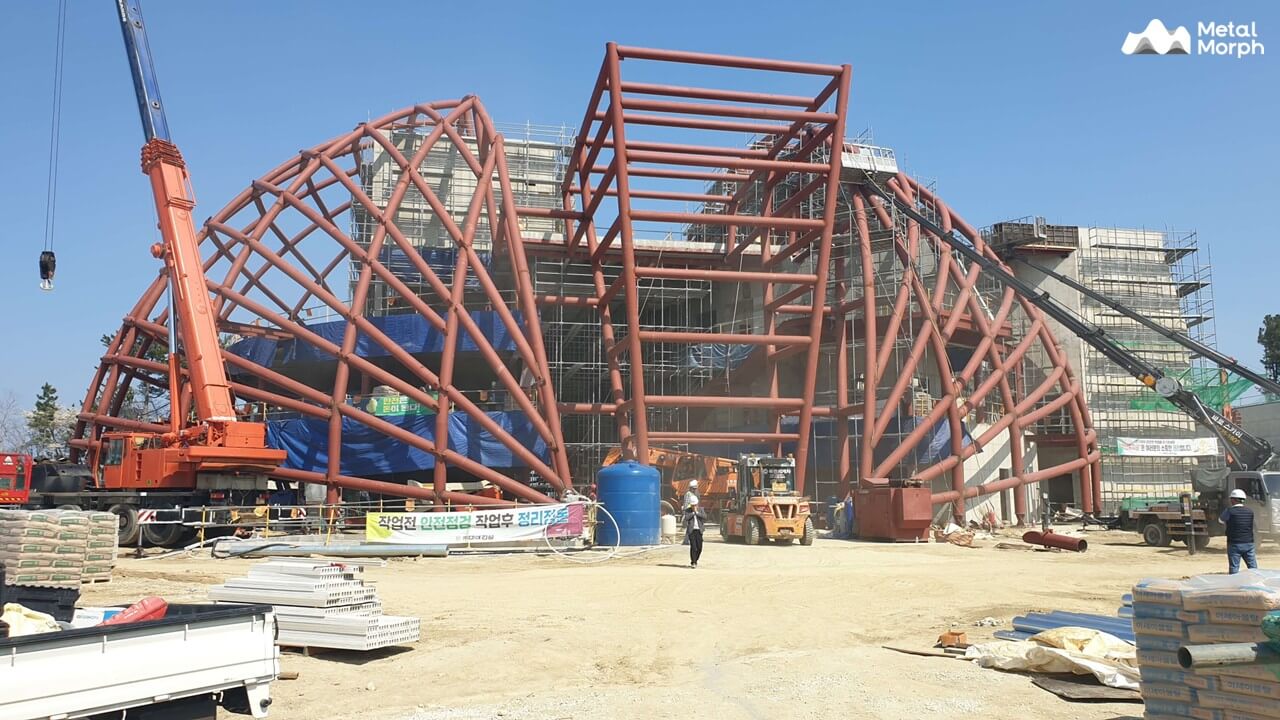
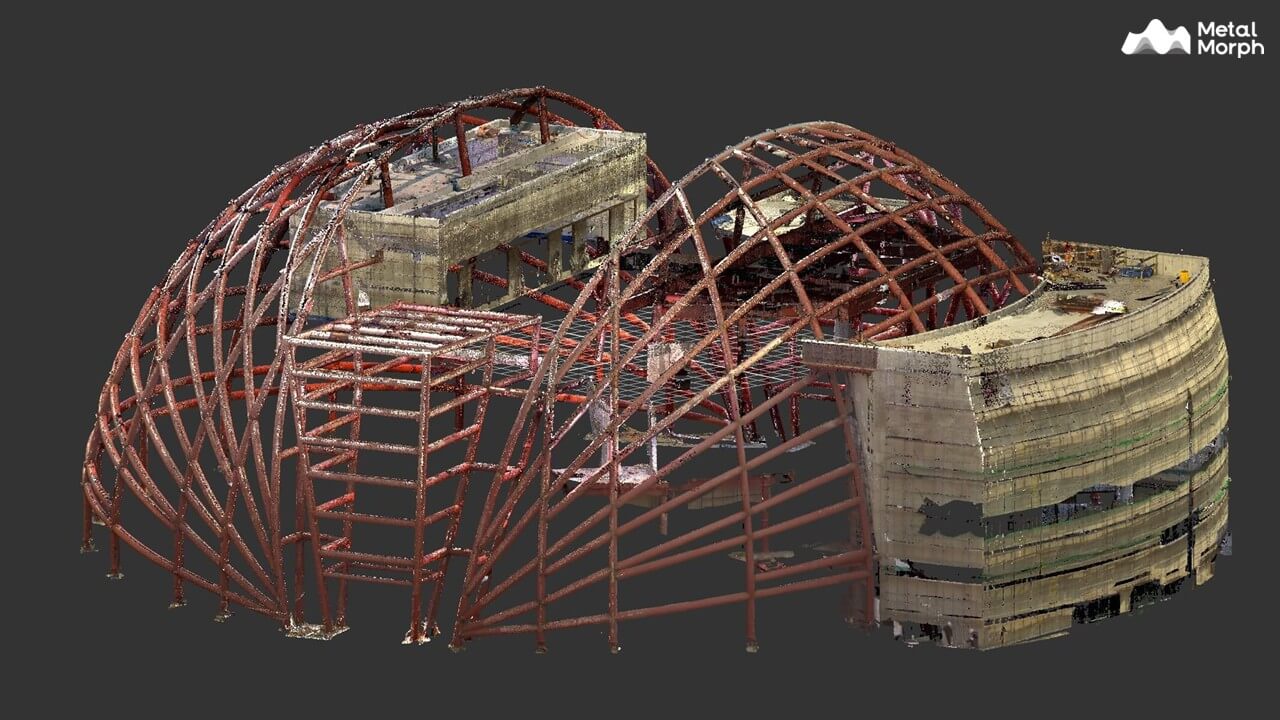
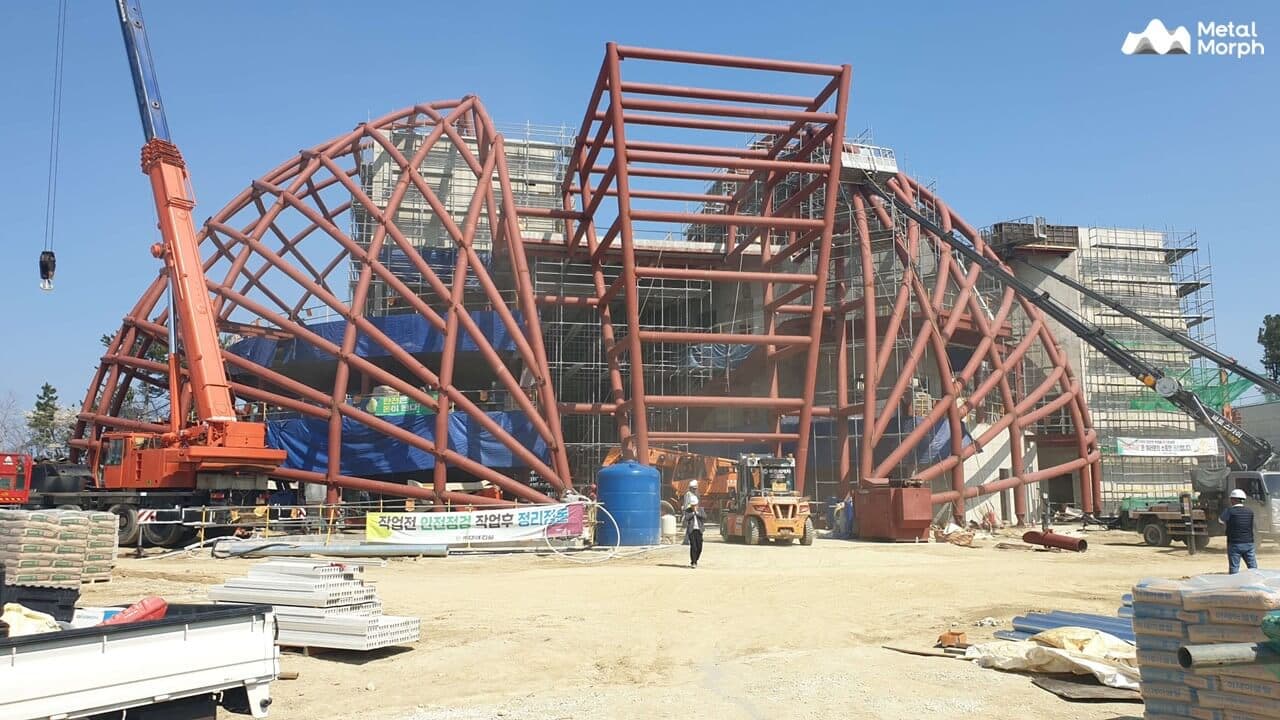
Because the geometry was curved and non-repetitive, conventional field checking was impossible.
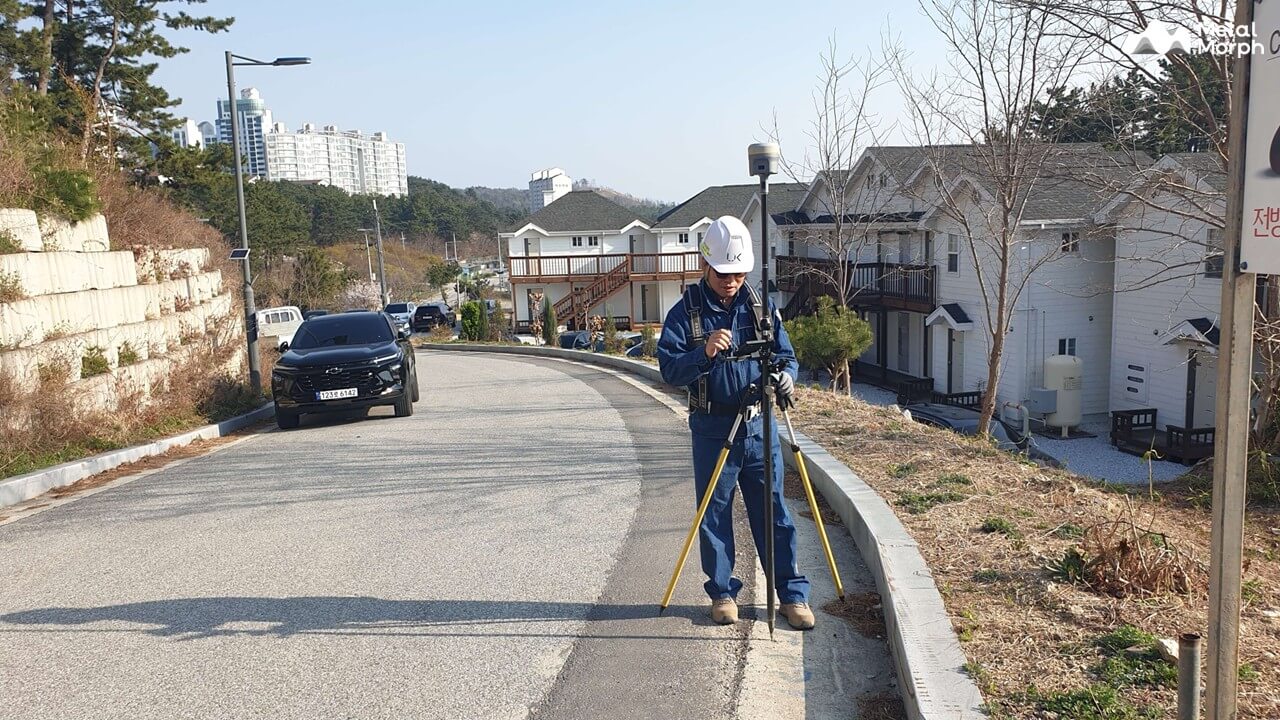
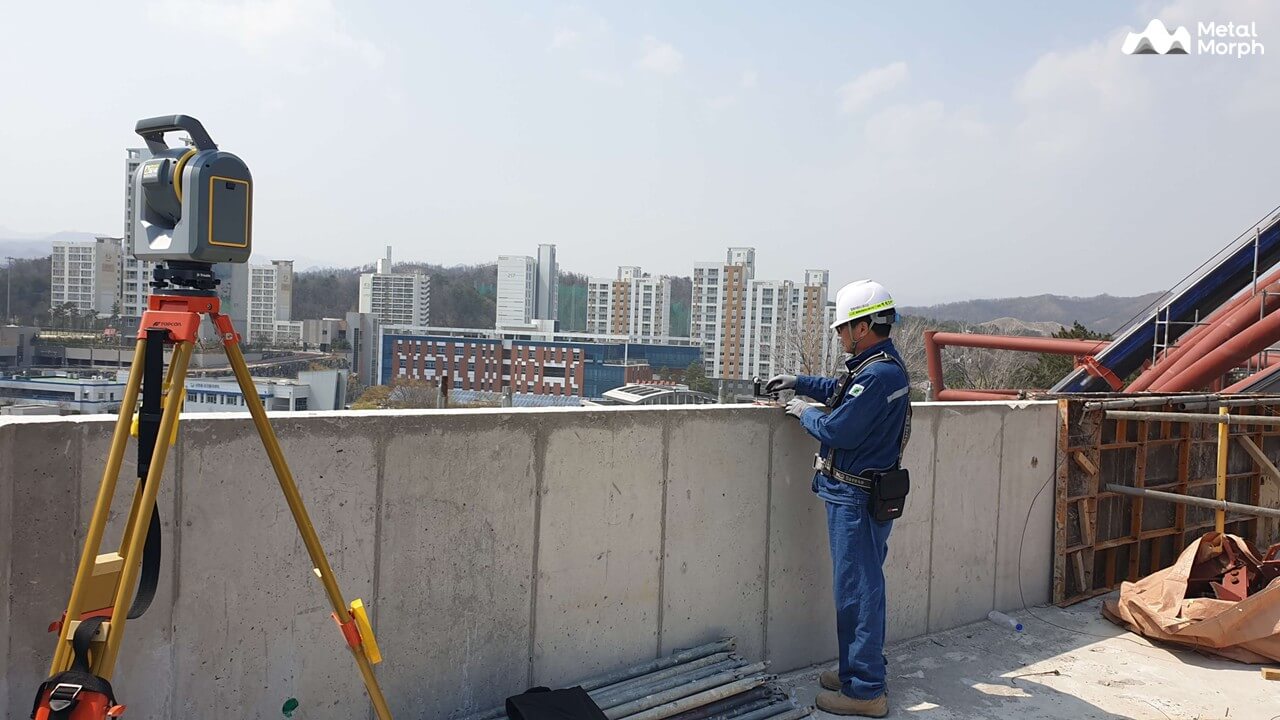
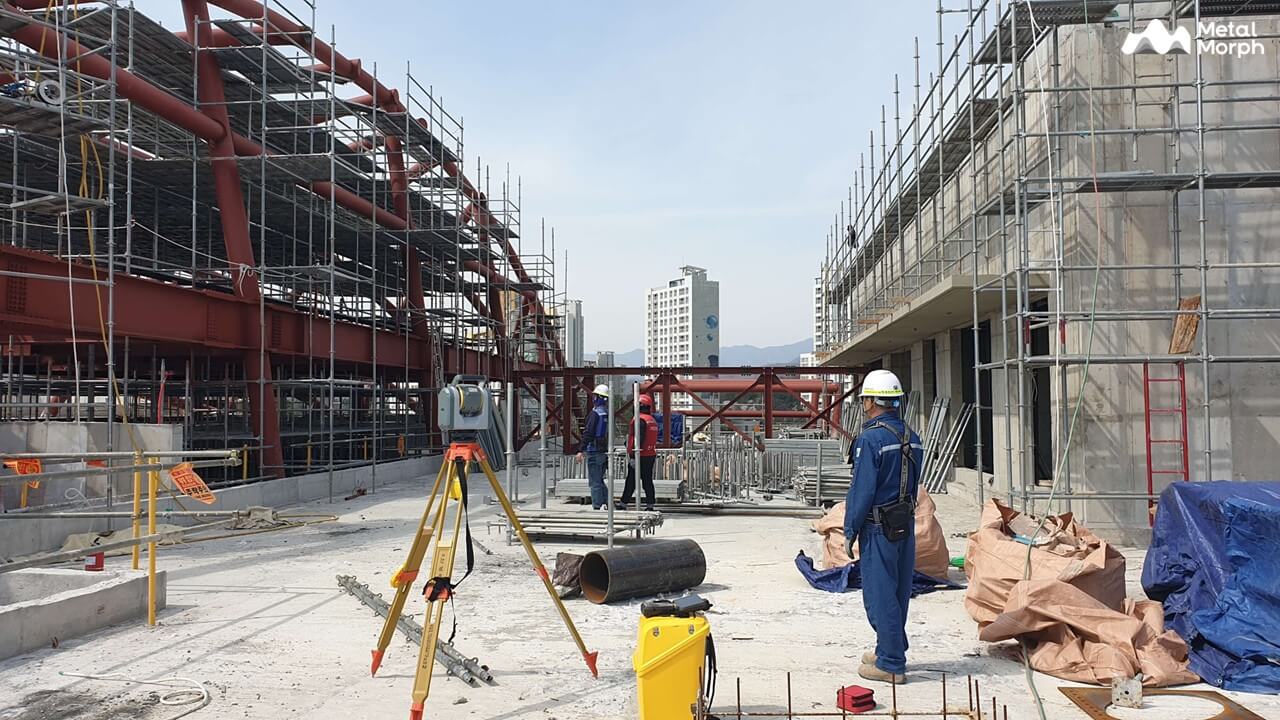
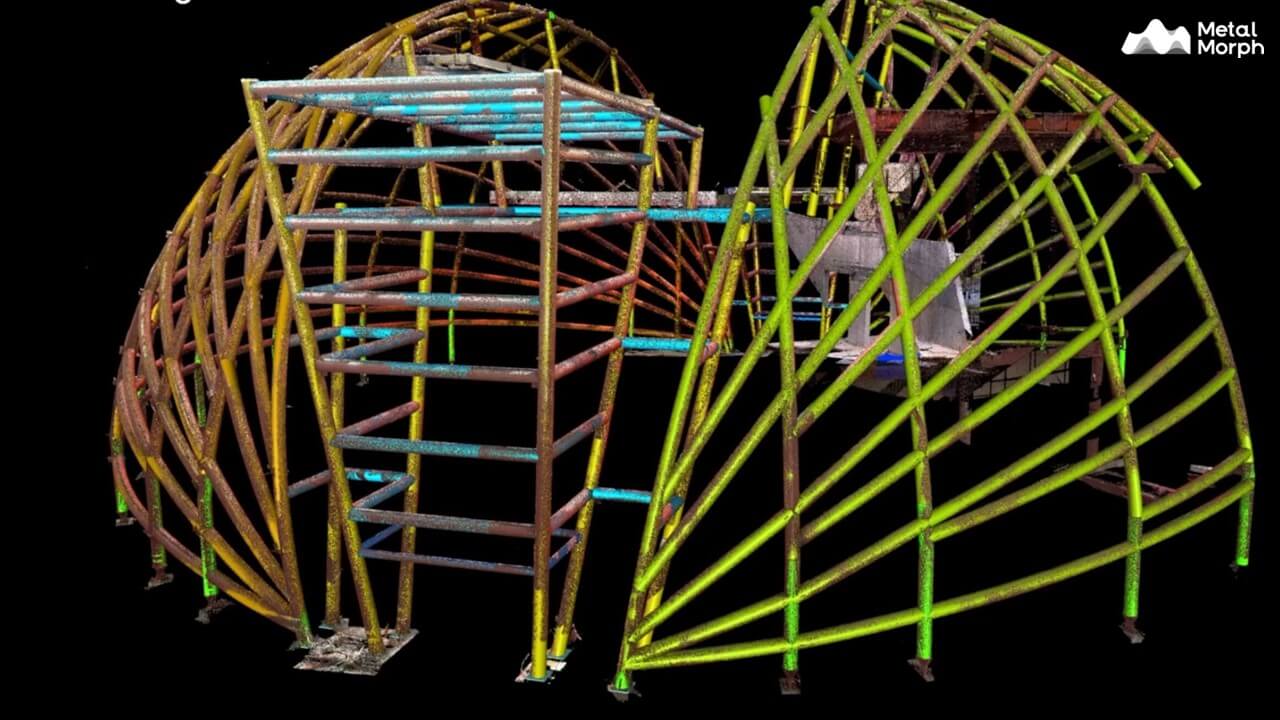
Survey control points and GPS correction held the scan and the installed structure to the same coordinate reference. A hybrid 3D laser scanning workflow — Trimble SX12, X7, and total-station–based laser scanning — then captured the existing conditions of that curved geometry to millimeter-level accuracy.
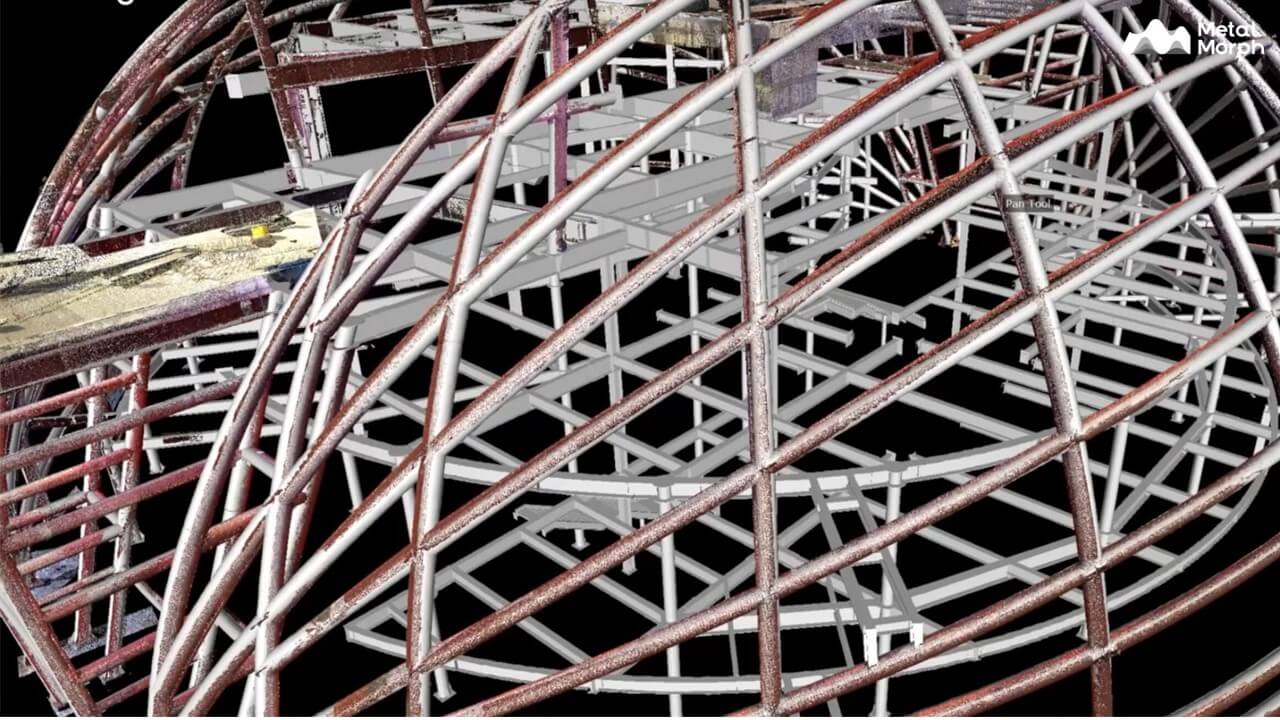
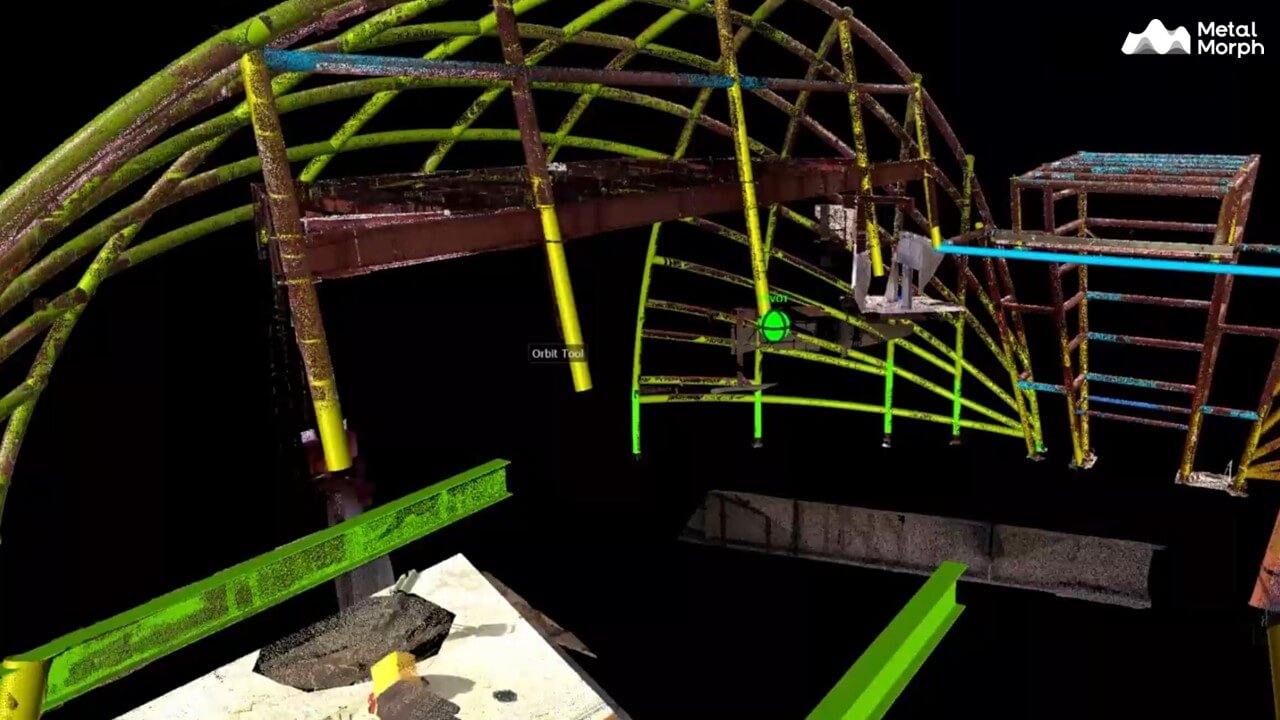
As-built verification compared the captured geometry with the fabrication model.
The comparison showed deviations — even with precise fabrication, on-site installation introduces subtle tolerances.
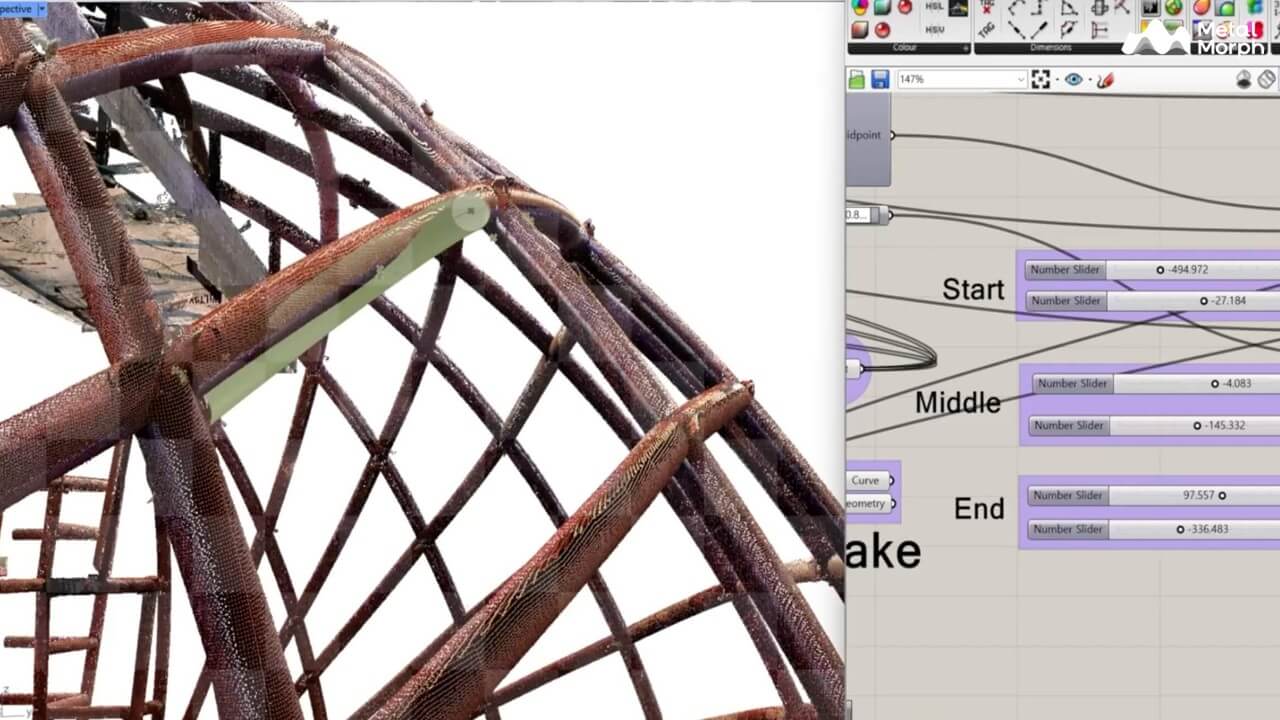
To understand these differences, we reverse engineered the built structure from the captured scan data, reconstructing it as digital geometry in Rhino and Grasshopper through the mesh‑cleaning workflow.
This process produced a verified 3D model matching over 99% of the as-built conditions, so later façade and finishing work could follow the installed structure.
Without this digital verification, errors in bracket placement or misalignment of panels could have led to significant rework and cost overruns.
The HU Multi-Cultural Center demonstrates why, in complex architecture, reverse engineering isn’t optional—it’s essential.
Through this project, Metal Morph proved its ability to transform on-site challenges into a precisely controlled, data-driven process—the foundation of our approach to digital fabrication.